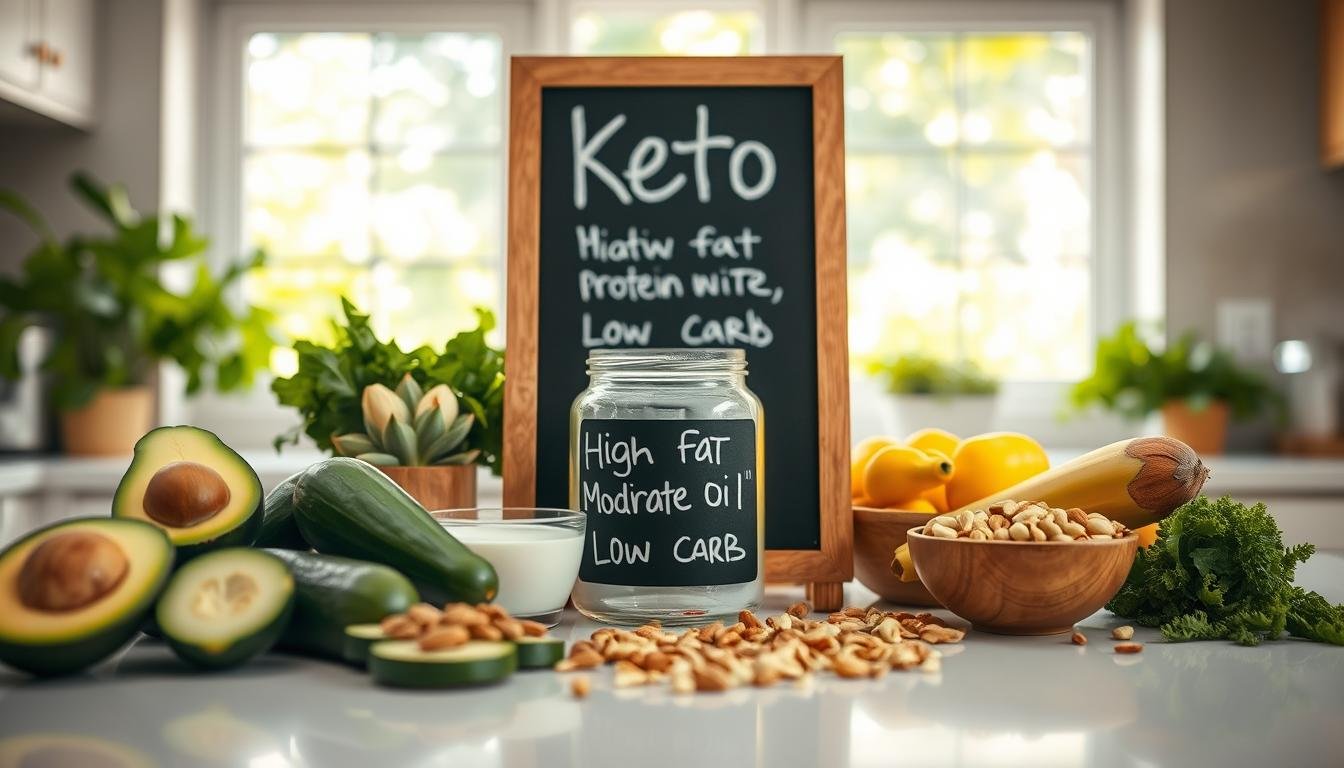
The ketogenic diet has become popular for weight loss and better health. It cuts down carbs and boosts fat, putting your body in ketosis. Here, it uses fat for energy, not carbs.
But, the keto diet isn’t for everyone. It asks for big changes in how you eat and can be hard to stick to. This article will cover the basics of the ketogenic diet. It will help you figure out if it’s right for you.
Key Takeaways
- Understand the fundamentals of the ketogenic diet and its benefits.
- Learn how to determine if the keto diet is suitable for your lifestyle.
- Discover the importance of ketosis and how to achieve it.
- Explore the potential challenges of maintaining a ketogenic diet.
- Get a quick quiz to test your readiness for the keto diet.
Understanding the Ketogenic Diet Basics
The ketogenic diet is more than just a low-carb diet; it’s a metabolic state known as ketosis. To understand how it works, we need to delve into the science behind this dietary approach.
What Is Ketosis and How Does It Work?
Ketosis is when your body burns fat for fuel instead of carbs. This happens when you eat fewer carbs. Your body then breaks down fat into ketones, which become your main energy source.
The Science Behind Fat Adaptation
When you start a ketogenic diet, your body changes to use fat as fuel. This process is called fat adaptation.
Carb Restriction and Ketone Production
To enter ketosis, you need to limit carbs. This forces your body to make ketones. The liver turns fat into ketones, which power your brain and heart.
How Your Body Changes on Keto
Adapting to the ketogenic diet brings several changes. Your metabolism, energy production, and health markers may improve.
| Physiological Change | Description |
|---|---|
| Metabolic Shift | From relying on glucose to using ketones as the primary energy source. |
| Increased Fat Breakdown | The body breaks down fat into ketones for energy. |
| Reduced Insulin Levels | Lower insulin levels due to reduced carbohydrate intake. |
Potential Benefits of the Keto Diet
The keto diet offers many benefits, like weight loss and better mental clarity. It can greatly improve your health and well-being.
Weight Loss and Metabolic Advantages
The keto diet is known for helping people lose weight. This happens because the body starts using ketones instead of glucose for energy.
Fat Loss vs. Water Weight
At first, you might lose water and fat. But soon, fat loss becomes the main focus.
Appetite Regulation and Satiety
The diet’s high fat content helps control hunger. It makes you feel full longer, making it easier to stick to.
Beyond Weight Loss: Other Health Benefits
The keto diet also offers other health perks.
Mental Clarity and Energy Levels
People often notice better mental focus and energy on this diet.
Potential Therapeutic Applications
Studies suggest the keto diet could help with epilepsy, type 2 diabetes, and neurodegenerative diseases.
| Benefit | Description |
|---|---|
| Weight Loss | Effective reduction in body weight, primarily due to fat loss. |
| Mental Clarity | Improved cognitive function and clarity. |
| Therapeutic Applications | Potential in managing epilepsy, type 2 diabetes, and neurodegenerative diseases. |
Possible Drawbacks and Side Effects
The keto diet has many benefits, but it also has some drawbacks and side effects. Knowing about these challenges can help you prepare for your keto journey.
The “Keto Flu” and Initial Adaptation
The start of the keto diet often brings what’s called the “keto flu.” It’s not a real flu, but a set of symptoms as your body gets used to ketones for energy.
Common Symptoms and Duration
Symptoms of the “keto flu” include feeling tired, having headaches, and feeling sick to your stomach. These usually go away in a few days to a week as your body adjusts.
Electrolyte Management
It’s important to keep your electrolyte levels right during this time. Eating more sodium, potassium, and magnesium can help with these symptoms.
Long-term Considerations and Concerns
After the initial phase, there are long-term things to think about. These include making sure you get enough nutrients and if you can keep up with the diet.
Nutritional Adequacy
It’s key to make sure you’re getting enough nutrients on the keto diet. You need to eat a mix of fats, proteins, and veggies to stay healthy.
Sustainability Factors
How long you can stick with the keto diet depends on many things. This includes what you like, your lifestyle, and your health goals. Keeping an eye on things and making changes can help you stay on track.
Is Keto Right for You? Quick Quiz Inside
Wondering if keto is for you? Our quick quiz can help. The ketogenic diet fits differently for everyone. By answering a few questions, you can see if keto suits your health, lifestyle, and food likes.
10 Questions to Determine Your Keto Compatibility
Health History Assessment
- Do you have chronic health issues like diabetes or heart disease?
- Are you on medications that might change with a new diet?
Lifestyle Compatibility Questions
- How often do you exercise?
- Is your busy schedule a challenge for meal prep?
Food Preference Evaluation
- Are you okay with eating less carbs?
- Will you track your macros for keto?
Interpreting Your Quiz Results
After the quiz, count your points to see how keto fits you.
| Compatibility Score | Interpretation |
|---|---|
| High | Congratulations! You’re a great candidate for the keto diet. |
| Medium | You may need to adjust your lifestyle or health habits for keto. |
| Low | While keto might not be for you, there are other diets to try. |
High Compatibility Score: Next Steps
If you scored high, start your keto journey. Plan your meals and track your macros.
Medium Compatibility: Modifications to Consider
A medium score means you might need to make lifestyle changes before keto.
Low Compatibility: Alternative Approaches
If your score was low, don’t worry. There are other diets that might be better. Talk to a healthcare professional or registered dietitian to find your best option.
Who Thrives on Keto (and Who Might Not)
To figure out who does well on keto, we need to look at health and lifestyle. The ketogenic diet works great for some, but it’s not for everyone.
Ideal Candidates for the Ketogenic Lifestyle
Some health profiles really benefit from keto. These include:
- Those seeking significant weight loss
- People with type 2 diabetes looking to improve their blood sugar control
- Individuals with certain neurological conditions
Health Profiles That Benefit Most
Some health issues make keto a better choice. For example, those with obesity or metabolic syndrome often see big improvements.
Personality Traits for Success
Being disciplined and committed to diet changes are crucial for keto success.
When to Consider Alternative Approaches
Keto is not always the best choice. Medical contraindications are important to think about.
Medical Contraindications
People with conditions like pancreatitis or liver failure should talk to their doctor before starting keto.
Lifestyle Incompatibilities
A lifestyle that doesn’t fit with keto’s needs can make it hard to stick to. This includes not having time for meal planning or often eating out.
Getting Started: Your First Week on Keto
Starting keto means big changes in your diet. Knowing where to begin is key. It’s important to plan meals and track macros for a smooth start.
Essential Grocery List and Meal Ideas
First, stock up on the right foods. Get pantry staples like oils, spices, and low-carb snacks.
Pantry Staples and Fresh Foods
Some must-haves include:
- Olive oil and coconut oil
- Avocados and avocado oil
- Meat, poultry, and fish
- Eggs and full-fat dairy
- Low-carb veggies like spinach and broccoli
Simple Meal Templates
For beginners, simple meals are a big help. Try these:
- Breakfast: Scrambled eggs with spinach and avocado
- Lunch: Grilled chicken salad with olive oil and vinegar dressing
- Dinner: Baked salmon with cauliflower rice
Tracking Macros vs. Intuitive Keto Eating
There’s a debate on keto: tracking macros or intuitive eating. Tracking macros means watching fats, proteins, and carbs to stay in ketosis.
Tools and Apps for Beginners
Apps like MyFitnessPal and Carb Manager can help with tracking.
Transitioning to Maintenance
After adapting, you’ll need a new plan to keep losing weight and staying healthy. Find a balance that works for you in the long run.
| Tracking Method | Pros | Cons |
|---|---|---|
| Macro Tracking | Precise control over nutrients | Can be time-consuming and stressful |
| Intuitive Eating | More flexible and less stressful | May lead to too many carbs |
Customizing Keto for Your Lifestyle
Whether you’re an athlete or on a budget, the keto diet can be adjusted to suit your requirements. The key is understanding how to tailor the diet to your specific needs and lifestyle.
Keto for Athletes and Active Individuals
Athletes and active individuals can benefit from the keto diet. They can adjust their macronutrient ratios to support their energy needs. This may involve increasing fat intake to support high-intensity activities.
Vegetarian and Vegan Keto Approaches
Vegetarians and vegans can follow a keto diet by focusing on plant-based fats and proteins. Key foods include avocados, nuts, and seeds. A sample meal plan might look like this:
| Meal | Food | Macros |
|---|---|---|
| Breakfast | Avocado smoothie | 400 calories, 35g fat |
| Lunch | Nut and seed salad | 500 calories, 45g fat |
Keto on a Budget
Following a keto diet doesn’t have to be expensive. Buying in bulk and planning meals can help reduce costs. Consider purchasing affordable keto-friendly foods like eggs and canned tuna.
Conclusion: Making an Informed Decision About Keto
Thinking about starting the keto diet? It’s key to look at the good and bad sides. Knowing how ketosis works and who it’s best for helps you choose wisely. This way, you can pick a diet that fits your health goals and life.
The keto diet can help with weight loss and better health. But, it’s not right for everyone, especially those with health issues or certain food likes. Taking the quiz can help figure out if keto is for you.
Deciding on keto needs careful thought about your own needs. Being well-informed and listening to your body can help you get the most out of keto. This way, you can reach your health goals.
FAQ
What is the keto diet and how does it work?
The keto diet is a diet low in carbs and high in fat. It makes your body use fat for energy instead of carbs. By eating less carbs and more fat, your body starts using ketones for energy.
What are the benefits of being in ketosis?
Being in ketosis can lead to weight loss and better blood sugar control. It also boosts energy and mental clarity. Some people see better heart health and less inflammation too.
What is the “keto flu” and how can it be managed?
The “keto flu” is a set of symptoms when starting a keto diet. Symptoms include fatigue, headache, and nausea. To manage it, drink plenty of water, eat more salt, and get enough electrolytes.
Can I follow a keto diet if I’m vegetarian or vegan?
Yes, you can follow a keto diet as a vegetarian or vegan. Vegetarians can eat eggs, cheese, and dairy. Vegans can use nuts, seeds, and avocados for fats. They might need supplements too.
How do I know if I’m in ketosis?
You can check if you’re in ketosis with ketone strips or meters. You can also look for signs like more energy and less hunger.
Can I do keto while on a budget?
Yes, you can follow a keto diet on a budget. Plan your meals, buy in bulk, and look for affordable fats and proteins.
Are there any medical contraindications for the keto diet?
Some medical conditions, like type 1 diabetes, need careful thought before starting keto. Pregnant or breastfeeding women should also talk to their doctor.
How long does it take to see results on a keto diet?
Results on a keto diet vary. It depends on your starting weight, activity level, and how well you stick to the diet. Some see changes in weeks, others take longer.
Can athletes and active individuals benefit from a keto diet?
Yes, athletes and active people might benefit from keto. It could improve endurance and reduce inflammation. But, they might need to adjust their training and nutrition.